


DIY vs. Hiring a Pro: Which Choice Makes Sense for These 9 Home Repairs?
Some home repairs are easy weekend projects, while others can create costly or dangerous problems. Here is how to decide which jobs to DIY and which ones to leave to a professional.

21 July 2026
Doing your own home repairs can save money, but only when the project is simple, visible, and low-risk. Furniture assembly, loose handles, and small drywall holes are usually reasonable DIY jobs. Electrical wiring, roof leaks, major plumbing problems, and hazardous materials should generally be handled by qualified professionals.
The real question is not whether you can attempt a repair. It is whether a mistake would be easy to correct. Here are nine common home projects and the practical choice for each one.
1. Furniture Assembly: DIY
Beds, desks, chairs, shelves, and storage cabinets are usually good beginner projects. The fasteners are visible, instructions are normally included, and most mistakes can be corrected by loosening and repositioning a part.
A cordless drill helps when there are many screws, but use a low torque setting. Finish delicate connections with a manual screwdriver to avoid damaging particleboard.
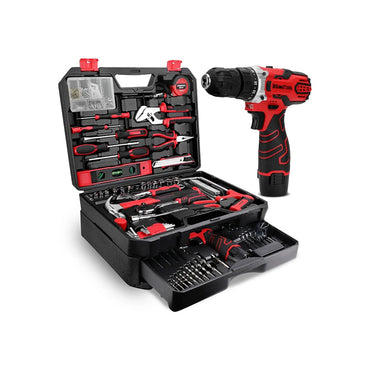
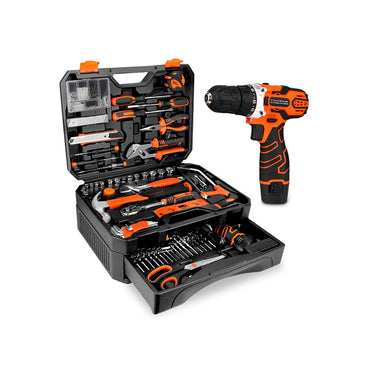
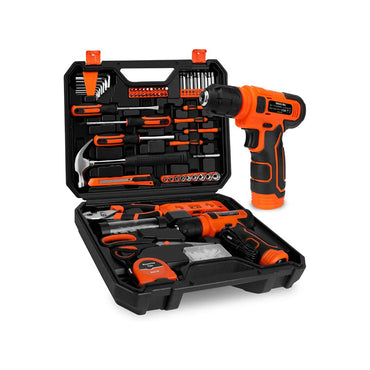
The KingTool 255 PCS Home Tool Kit with 12V Drill is a practical option for furniture assembly, everyday drilling, screwdriving, shelf installation, and small household repairs. Its organized case also keeps bits, sockets, and hand tools together between projects.
Best choice: DIY.
2. Loose Handles and Hinges: DIY
Loose cabinet pulls, drawer handles, and door hinges rarely require a service call. In many cases, you only need the correct screwdriver, pliers, or replacement fastener.
Do not keep tightening a screw that no longer grips. An enlarged or damaged screw hole may need a more appropriate repair.
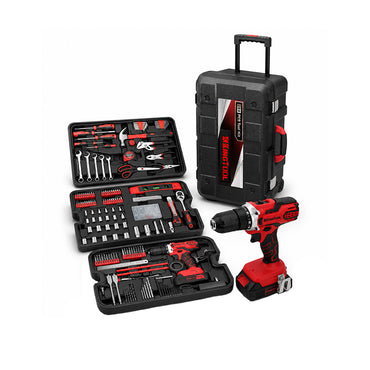
The KingTool 325 PCS Home Tool Kit is better suited to homeowners who want a wider selection of organized hand tools for tightening hardware, furniture maintenance, bike adjustments, garage work, and quick household fixes.
Best choice: DIY, unless the frame or surrounding material is damaged.
3. Shelves and Curtain Rods: DIY With Care
Hanging a lightweight shelf or curtain rod can be manageable, but the wall material matters. Drywall, plaster, wood studs, masonry, and tile require different anchors and drill bits.
Before drilling, check the intended load and consider whether wiring or plumbing may be behind the wall. Heavy shelves, televisions, and overhead storage require more careful mounting.
For other drilling and home-improvement equipment, browse the KingTool power tools collection.
Best choice: DIY for light installations you understand. Hire help for heavy or uncertain mounting jobs.
4. Small Drywall Holes: DIY
Small nail holes, anchor holes, and shallow dents are mostly cosmetic. They can often be repaired with patching compound, light sanding, primer, and matching paint.
Apply several thin layers instead of one thick coat. If the drywall feels soft, shows water stains, or keeps cracking in the same place, the visible damage may not be the real problem.
Best choice: DIY for small cosmetic damage.
5. Interior Painting: Usually DIY
Painting a bedroom, hallway, or trim is one of the most approachable home projects. Good preparation matters more than speed: clean the surface, repair imperfections, protect the floor, and allow enough drying time.
Use extra caution in older homes. Disturbing paint in a pre-1978 property may create lead dust. Review the EPA Lead Renovation, Repair and Painting Program before sanding or removing older painted surfaces.
Best choice: DIY for modern, sound surfaces. Seek qualified help when lead paint may be present.

6. Minor Faucet or Toilet Repairs: DIY With Limits
Replacing a showerhead, faucet aerator, toilet flapper, or accessible supply hose may be manageable when the water can be shut off and the problem is fully visible.
Stop when a shutoff valve does not work, a pipe moves inside the wall, or moisture appears beneath flooring or cabinets. Hidden leaks can cause far more damage than the original repair.
A hand-tool-focused kit such as the 325-piece home repair tool kit can help with basic tightening and replacement tasks.
Best choice: DIY for small exposed components. Hire a plumber for hidden or recurring leaks.
7. Small Mold Areas: Sometimes DIY
Mold cleanup depends on the size of the affected area and the source of the moisture. The EPA says homeowners may often handle a small affected area of roughly 10 square feet or less, provided the water problem has been corrected.
Larger growth, sewage contamination, HVAC involvement, or extensive water damage requires professional guidance. Read the EPA mold cleanup guide before starting.
Best choice: DIY only for a small, accessible area with a known moisture source.
8. Outlets, Breakers, and Wiring: Hire a Professional
Replacing a decorative outlet cover is simple. Opening an outlet box, replacing a breaker, or repairing wiring is not.
Electrical mistakes can create shock, fire, and code risks that remain hidden after the work appears finished. Hot outlets, burning smells, damaged wiring, or repeatedly tripped breakers should be inspected by a qualified electrician.
The CPSC electrical safety guide provides additional information about common household electrical hazards.
Best choice: Hire a licensed professional.
9. Roof Leaks and Damaged Shingles: Hire a Professional
A ceiling stain does not always appear directly below the roof leak. Water can travel along rafters, decking, insulation, and walls before becoming visible indoors.
Roof work also creates a serious fall risk. A temporary patch may hide the problem without stopping the underlying damage.
Best choice: Hire a roofing professional.
Which Tool Kit Is Better for Everyday DIY?
Choose the 255 PCS tool kit with 12V drill when your regular projects include furniture assembly, drilling pilot holes, hanging lightweight fixtures, and repetitive screwdriving.
Choose the 325 PCS home tool kit when you already own a drill or mainly need a broader hand-tool selection for tightening, measuring, cutting, gripping, sockets, garage tasks, and household maintenance.
You can also compare more options in the KingTool tool kit collection or review our home tool kit checklist.
Frequently Asked Questions
How do I know whether a repair is safe to DIY?
DIY is usually reasonable when the problem is visible, low-risk, and easy to reverse. Hire help when wiring, roofing, structural movement, gas, hidden water damage, or hazardous materials are involved.
Is a 12V drill enough for normal home repairs?
A 12V drill is suitable for furniture assembly, screwdriving, pilot holes, and many light household projects. It is not intended to replace heavy construction equipment.
Does a larger piece count always mean a better tool kit?
No. Compare the drill, core hand tools, socket selection, storage design, and the jobs you actually plan to complete.
When should I stop a DIY repair?
Stop when you discover hidden moisture, damaged wiring, unstable framing, a failed shutoff valve, widespread mold, or a problem larger than the original plan.
Final Verdict
DIY makes sense for furniture, loose hardware, small wall repairs, basic painting, and simple exposed maintenance. It stops saving money when the project creates a risk of fire, flooding, falling, structural damage, or hazardous exposure.
Use the right tools for manageable household jobs, but do not let owning a large tool kit convince you to take on work that requires a licensed professional.
Explore the KingTool 255 PCS Home Tool Kit with 12V Drill for drill-based DIY projects, or view the KingTool 325 PCS Home Tool Kit for organized everyday hand tools.
Prev post

Utility Knife vs. Box Cutter: 6 Cutting Tools Explained
Updated on 22 July 2026
Next post

Is a 276 Piece Tool Kit With Drill Enough for Home Repairs?
Updated on 10 July 2026