Utility Knife vs. Box Cutter: 6 Cutting Tools Explained
Box cutters and utility knives look similar, but they are not always designed for the same jobs. Here is how six common cutting tools compare.
22 July 2026
Share
A box cutter is usually a lightweight cutting tool made for opening cartons, slicing tape, and removing packaging. A utility knife is the broader category. Depending on its blade, it may cut cardboard, drywall facing, vinyl, carpet, plastic sheeting, rope, and other DIY materials.
The names sometimes overlap, so do not choose by label alone. Look at the blade depth, locking mechanism, handle, replacement-blade system, and material you plan to cut. If you are still putting together your first set of household tools, the complete tool starter guide for absolute beginners explains when a cutting tool belongs in your starter kit.
Quick answer: utility knife vs. box cutter
Choose a box cutter for tape, shipping cartons, and other light packaging. Choose a retractable utility knife when you need a stronger grip, replaceable blades, and more control over blade depth.
For detailed craft cuts, use a craft knife. For long cuts through cardboard, fabric, carpet, or similar materials, powered electric scissors may require less repetitive hand motion.
| Cutting tool | Best suited to | Main limitation |
|---|---|---|
| Retractable utility knife | General household cutting and scoring | Exposed blade requires careful depth control |
| Box cutter | Opening cartons and cutting packing tape | Usually too light for demanding materials |
| Snap-off knife | Wallpaper, vinyl, foam board and thin sheets | Narrow blade can break if twisted |
| Folding utility knife | Portable household and garage work | Must be fully locked before use |
| Craft knife | Fine, detailed cuts | Not made for heavy cutting |
| Cordless electric scissors | Long or repeated cuts | Less precise in tight corners |
What is the difference between a utility knife and a box cutter?
“Utility knife” describes a broad group of general-purpose cutting tools. Some have retractable blades, some fold, and others use segmented snap-off blades. Manufacturers also offer different blade shapes for flooring, roofing, drywall, crafts, and packaging.
A box cutter is generally a simpler type of utility knife. It is intended for shallow cuts through tape, plastic wrap, and corrugated cardboard. Keeping the blade exposure short can help reduce the chance of cutting through the contents of a box.
The practical difference is range. A box cutter is convenient for deliveries. A sturdier utility knife can handle more household materials when it has the correct blade. Neither tool should be used as a screwdriver, scraper, pry bar, or substitute for another tool.
A utility knife also belongs on many lists of essential hand tools for homeowners, but that does not mean one blade is suitable for every cutting job.
Six cutting tools and when to use each one
1. Retractable utility knife
A retractable utility knife is the most flexible manual choice for general home use. A slider extends and retracts the blade, while several blade positions let you limit how much of the cutting edge is exposed.
Use it for breaking down cardboard, scoring drywall facing, trimming thin vinyl, cutting plastic sheeting, and removing old caulk when the blade and manufacturer’s instructions permit it. Keep the blade shallow. Extending more blade than the material requires reduces control and gives the blade more room to bend.
A comfortable handle matters when your hands are damp or dusty. Check that the slider locks firmly before buying or using the knife.
2. Box cutter
A box cutter is the straightforward choice for opening packages. Its light body and short blade exposure work well on packing tape, stretch wrap, shipping labels, and cardboard seams.
Start at a corner and cut only as deeply as needed to break the tape. Do not drive the blade into the middle of a carton. The package may contain soft goods, cables, or product surfaces directly below the flap.
A box cutter is less suitable for thick carpet, dense rubber, heavy plastic, or jobs that require considerable pressure. Moving to the right tool is safer than forcing a lightweight cutter through resistant material.
3. Snap-off knife
A snap-off knife has a long, segmented blade. When the cutting tip becomes dull, the worn segment can be removed according to the manufacturer’s instructions to reveal a fresh edge.
This design works well for wallpaper, thin vinyl, foam board, paperboard, and craft material. It is useful when a project consumes blade edges quickly, but its narrow blade should remain in line with the cut. Side pressure, twisting, and prying can break a segment.
Extend only one segment when possible. Dispose of removed pieces in a puncture-resistant container rather than dropping them loose into a trash bag.
4. Folding utility knife
A folding utility knife closes into its handle much like a pocketknife. Many models use standard replaceable utility blades, which makes them convenient for a toolbox, garage shelf, or moving-day kit.
The thicker handle can provide better grip than a basic plastic box cutter. It suits rope, cardboard, packaging, and general household work when fitted with an appropriate blade.
Before cutting, open the knife completely and confirm that its locking mechanism has engaged. Fold it only after the blade is clean and your fingers are clear of the hinge.
5. Craft knife
A craft knife has a slim handle and a small pointed blade. It is made for control, not force. Use it for stencils, decals, paper models, masking material, and detailed cuts in foam board.
Work on a cutting mat and rotate the material rather than twisting the blade through a sharp corner. A ruler can guide straight cuts, but keep your fingertips away from the edge and use a ruler designed to protect the holding hand where possible.
A craft knife is a poor substitute for a utility knife on carpet, thick cardboard, rope, or renovation material.
6. Cordless electric scissors
Cordless electric scissors use a powered cutting head instead of a long exposed utility blade. They make sense when you regularly break down cartons or cut long sections of fabric, carpet, leather, plastic, or other compatible material.
The KingTool 4V Cordless Electric Scissors have a rechargeable battery, replaceable blades, safety lock, LED work light, and two replacement blades. The product is intended for materials including cardboard, carpet, curtains, leather, plastic, and packaging.
Powered scissors do not replace every manual knife. A box cutter is quicker for one taped carton, while a craft knife gives better control over tiny shapes. Browse the KingTool Power Tools collection when repeated cutting, rather than occasional package opening, is the main problem you need to solve.

How to choose the right cutting tool by material
Start with the material, then consider the shape and length of the cut.
If the job involves cutting or finishing metal with an angle grinder, compare cut-off wheels, grinding wheels, and flap discs before choosing an accessory.
For packaging tape and a few cartons, use a box cutter with minimal blade exposure. For repeated cardboard breakdown, a sturdy utility knife or compatible electric scissors may be more comfortable.
Thin vinyl, wallpaper, and foam board often suit a snap-off knife because a fresh tip is easy to expose. Detailed paper and decal work calls for a craft knife. Carpet and heavy fabric may require electric scissors or a purpose-made carpet knife, depending on the cut and material backing.
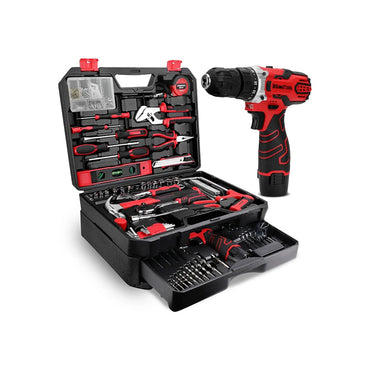
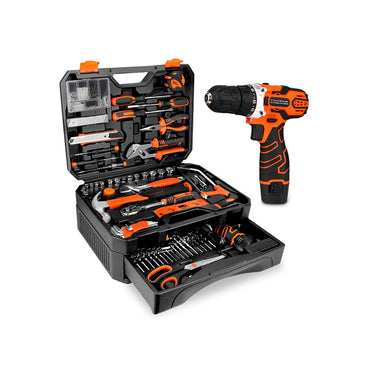
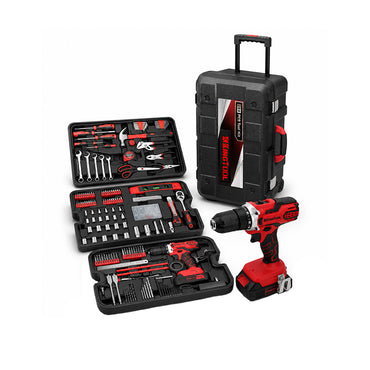
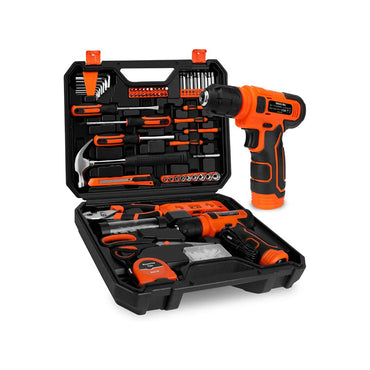
Do not assume that a larger home tool set automatically includes the right cutter. Use the complete home tool kit checklist to identify the basic functions you need, then inspect the actual contents. The Hand Tools collection and Tool Kits collection can help you compare organized options.
If you are deciding between individual tools and a complete set, the guide to choosing a home tool kit for everyday repairs explains why task coverage matters more than the number printed on the case.

Cutting safety that applies to every blade
Place the material on a stable surface. Plan the cut before you touch the blade to it, and move your free hand out of both the intended cutting line and the path the tool could follow if it slips.
Cut away from your body. Use only enough pressure to keep the blade moving. If the tool sticks, stop and check the blade, material, cutting surface, and cutting direction instead of adding force.
A dull blade often requires more pressure. The Canadian Centre for Occupational Health and Safety guidance for sharp blades recommends using the correct tool, inspecting it before use, cutting on a stable surface, keeping body parts out of the cutting path, and retracting blades after use.
For powered cutters, switch the tool off before checking the cutting head or removing trapped material. Follow its manual when changing blades, and never bypass a guard or safety lock. OSHA’s hand and power tool guidance also recommends maintaining tools, inspecting them, using the right tool for the job, and disconnecting powered tools before changing cutters or accessories.
Take extra care when cutting, scraping, or disturbing painted surfaces in an older home. The EPA explains that work on surfaces in a pre-1978 home can create hazardous lead dust and provides separate lead-safe renovation guidance for DIYers.
Blade care, storage, and disposal
Retract or cover the blade as soon as the cut is finished. Clean residue according to the tool manufacturer’s directions and replace blades that are chipped, rusted, bent, or difficult to control.
Store cutting tools in a case, drawer, or dedicated holder where the blade cannot be contacted accidentally. Keep them away from children and do not leave a knife hidden under cardboard, cloth, or other material.
Used utility blades and snap-off segments should go into a clearly marked, puncture-resistant container. Follow local waste rules when disposing of the sealed container.

Frequently asked questions
Is a box cutter the same as a utility knife?
A box cutter is generally considered a type of utility knife, but it is designed mainly for packaging and shallow cuts. “Utility knife” covers a broader range of handles, blades, and household applications.
What is the best utility knife for home use?
A retractable utility knife with a secure blade lock and readily available replacement blades is the most versatile manual choice for many homes. The right blade still depends on the material.
Can electric scissors cut cardboard?
Compatible electric scissors can cut cardboard and may be useful when breaking down several boxes. Check the product’s stated material range and do not force the cutter through material beyond its capacity.
Can electric scissors replace a box cutter?
Not completely. A box cutter is faster for slicing tape on one package. Electric scissors are better suited to longer or repeated cuts through compatible material.
Why does a sharp blade matter?
A dull blade usually needs more pressure, which can reduce control and increase the chance of slipping. Replace damaged or worn blades instead of forcing them through the material.
Final verdict
Choose a box cutter for packages, a retractable utility knife for general household work, a snap-off knife for thin sheet material, and a craft knife for detailed cuts. Consider cordless electric scissors when cardboard, fabric, carpet, or packaging creates a long or repetitive cutting job. The safest choice is the tool that matches the material without requiring excessive pressure or improvisation.
Prev post
How to Choose the Best Home Tool Kit for Everyday Repairs
Updated on 23 July 2026
Next post
DIY vs. Hiring a Pro: Which Choice Makes Sense for These 9 Home Repairs?
Updated on 21 July 2026